In working with symptoms we explore having a better relationship with whatever symptom is in our lives. A main way to do this is to find the meaning of the symptom. If you have to live with something chronic or incurable, and it it can become a meaningful journey then it can really change your life.
At the forum we talked about how we can look around and read and find references to the same idea that a symptom can be meaningful. There is a story from the Huffington post blog, about a psychiatrist Dr Leo Rangell. He was president of the American psychoanalytic society and a renowned psychiatrist in the US. He had to have surgery, a heart bypass. Surgery went well. But afterwards he developed a new symptom of hearing music in his head. Not just a tune. Like a hallucination called a music hallucination which is a rare brain disorder. Somehow it was related to what happened during the surgery. He kept hearing music in his head, at any time it wouldn’t stop. The music would change to different tunes and musical pieces. But it was a very distressful symptom. He tried to cure it and get rid of it. But over time he discovered that the actual tune had meaning in the context of his life. He gave an example. At the anniversary of his wife’s passing he heard the tune, “My Bonnie lies over the ocean”. When his wife passed away he had spread her ashes in the ocean. That was a song, a psychotic hallucination, and it was actually carrying something very meaningful for him. Related to his life and emotional state at the moment he didn’t realize immediately. Here is someone from a different background that has the same idea. The thing that happens to us can carry something really meaningful and relevant. We can explore it from pathological view and treat it and then be curious about it and see if there is different information and different meaning. This can be fascinating.
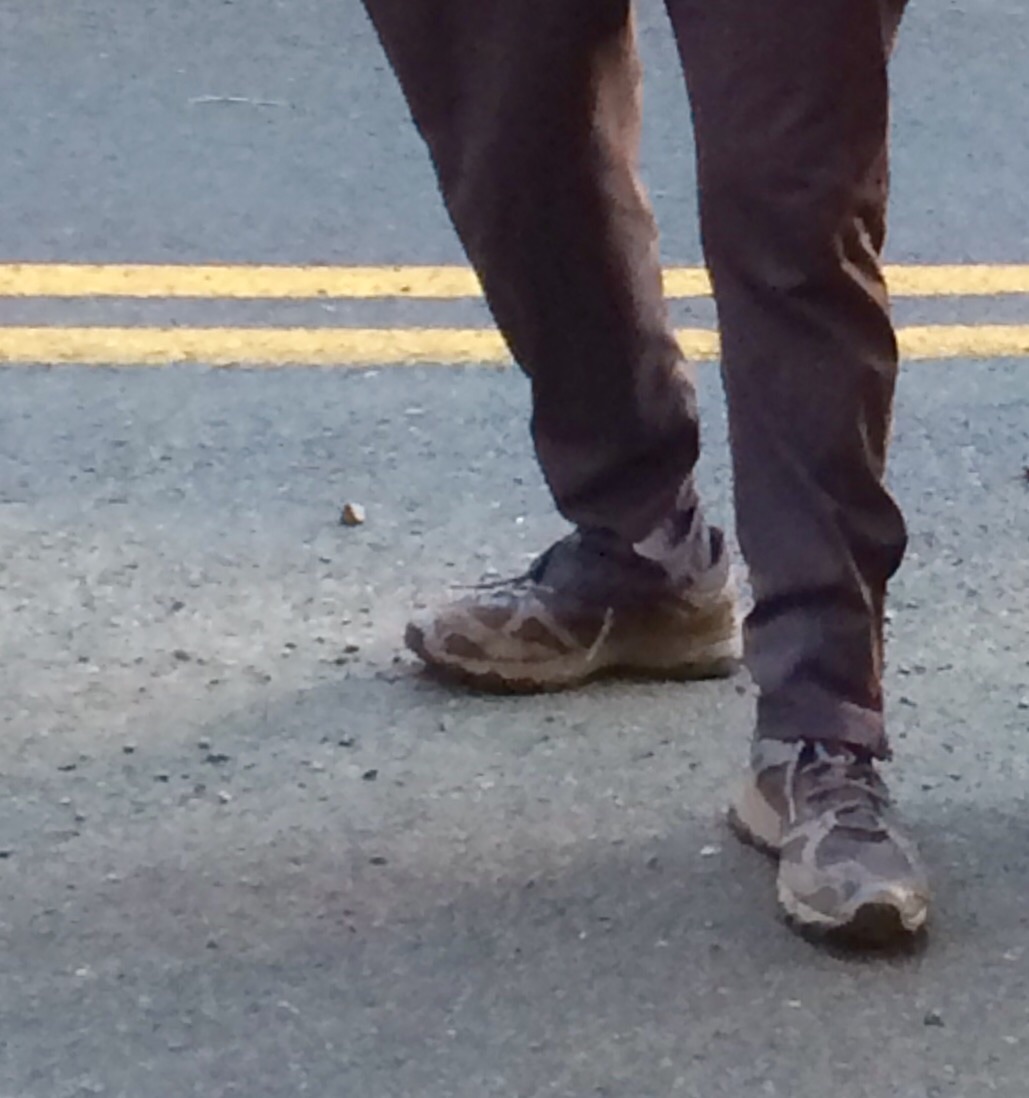
In our forum a man explored a herniated disk from 20 years before with its resultant loss of feeling in one leg, numbness in the foot, and muscle atrophy and the development of osteoarthritis and recent hip replacement in the other. The experience of the symptom was like a ball and chain from medieval times. A stomping on one foot and a dragging on the other.
Processwork sees chronic symptoms as part of our life myth. Chronic symptoms don’t have break through solutions. It can be more about internalizing the meaning of the symptom and bringing it out bit by bit. In close relationships that are safe, then the workplace and finally out into the world.
In unfolding the symptom experience we explored being less feeling and a little mean and numb to minutia and details and perfection and taking a break. Being kinder to the body and less considerate of others consciously. Moving between a part that is ambitious and has a goal and another one that is held back, wants to chuck it away and have a break. Also not wanting to be helpless because of the figure in the background from having been a child growing up with a parent in a wheelchair.
In our small groups we talked about the following questions:
1. How do you relate to pushing forward/freedom energy and being confined/staying still energy?
2. Have you got any symptom experiences that could be related to your family scene?
In the discussion one point was that freedom came with choice to do either push forward or stay still. Without freedom you don’t get the choice.
People discussed the questions of family symptom legacies whether generic or disease. Examples included:
- Loyalty to a parent who had something they couldn’t overcome
- Energetic legacies
- High blood pressure dealing with big energies such as anger
- Paralysis and lack of mobility
- Being emotional and being threatened with ending up institutionalized like a relative
- Wanting a better scene for the next generation
We then explored many roles with bringing out the ghost role of one that constrains or pushes us. Some of these included:
- the body that says I am not a machine
- the one that ignores the body because it has to survive
- the one that cares for the body
- the one that protects and supports the one trying to survive
- the one who is encouraging and wanting to find something sustainable for both
- the one who says keep doing what you are doing and bring us in as well.
If you liked this article, please spread the word by sharing it on Facebook