
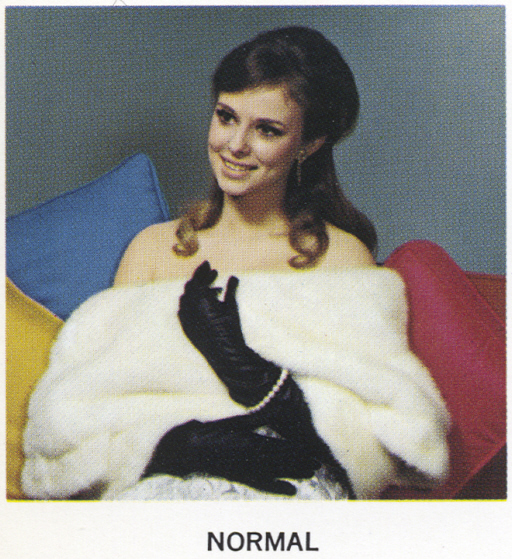
 Kodak used Shirley cards to standardize the reproduction and printing of skin tones. Shirley became a world wide norm reference for color balancing skin tones in photo labs. This norm created a light skin bias in all of Kodak’s color reproductions.
Health and Normality are thought to be objective standards. But like Shirley’s skin tones they are subjective values fraught with biases that lead to discrimination. When we use health as a norm we are in danger of creating similar biases and marginalizing many of our clients and patients. “Primum nihil nocere” or “first do no harm” is one of the main ethical goals of health care yet our very definitions of health can have a nocebo effect.
One evening my friend and client Thomas took his bike to get some milk at the corner store. One of his lungs spontaneously collapsed and Thomas fainted. He hit a truck and injured his head and brain. First he was in a coma and over the years he quite extraordinarily recovered almost all his functions. He has some physical and cognitive limitations and his personality changed slightly. In his own experience he feels healthy and well. From a medical point of view one can think he is still disabled and that he is minimizing his own condition. Now, when others compare him with whom he was before the accident he starts to feel unwell. His old normal and health conflicts with his new experience of himself. When his surroundings hold him to the general standard of health they create distress.
This is an example how social and cultural definitions and preferences of health add another layer of illness. They become harmful and act like a nocebo.